Back to work: Relaxing after work with a glass of non-alcoholic champagne
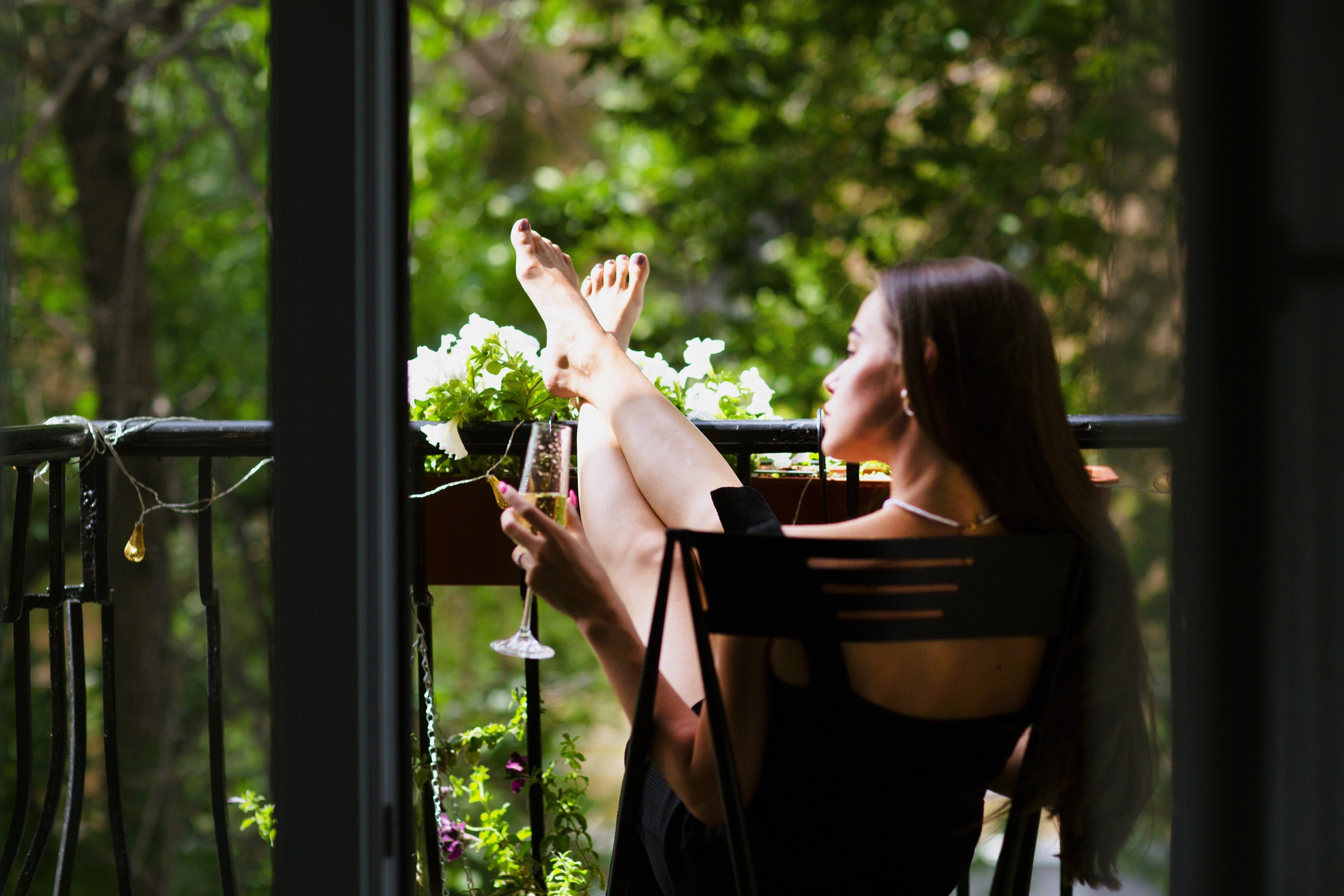
Szeptember beköszöntével új lendülettel térünk vissza a munkába, ám a mindennapi feladatok könnyen felgyűlhetnek és stresszessé tehetik a hétköznapokat. Ilyenkor különösen jól esik egy apró szertartás, ami segít lezárni a napot - például egy pohár alkoholmentes pezsgő, amely egyszerre frissít és elegánsan ellazít.
As September approaches, we return to work with renewed vigor, but everyday tasks can easily pile up and make everyday life stressful. At such times, a small ritual to help close the day is especially helpful - for example, a glass of non-alcoholic champagne, which is both refreshing and elegantly relaxing.
With the hustle and bustle of work, deadlines, and constant rush, it's especially important to have small habits that help relieve stress. However, relaxation doesn't necessarily have to involve alcohol - non-alcoholic champagne offers a stylish and conscious alternative to unwinding after work.
The importance of relaxation after work
After a long day at work, most of us come home tired and sometimes stressed. The constant pressure to perform, deadlines, and noise at work all take their toll on us. That's why it's crucial to develop some small, repetitive habits —wind-down rituals— that help us close out the workday and transition into a calmer phase of our personal lives.
However, relaxation is not just about relieving stress. This period is also an opportunity to consciously pay attention to ourselves, enjoy our own company or the presence of loved ones. Reading a book, taking a leisurely walk, or even drinking a glass of non-alcoholic champagne can help us recharge and start the next day with new energy.
Non-alcoholic champagne - the perfect end-of-the-day séance
Many people think of champagne as a festive drink , reserved for special occasions. However, it's worth looking at it from a new perspective: a glass of non-alcoholic champagne can be perfectly incorporated into everyday life when we want to end the day in style.
The elegant bubbles and refreshing flavors can turn an ordinary evening into a festive one. By avoiding alcohol, you can maintain your lightness, you don't have to worry about fatigue the next day, and you can still experience the experience of relaxation. Such small gestures contribute to physical and mental harmony as part of a conscious lifestyle.
Moreover, the ritual of champagne offers a special experience in itself: the sound of the bottle being opened, the sight of the drink being poured into the glass, and the playfulness of the tiny bubbles all contribute to taking us out of the grayness of everyday life . Thus, champagne can elevate not only special occasions, but also everyday moments into a celebration.
Healthy alternatives to alcoholic beverages
Non-alcoholic sparkling wines are not only delicious and elegant, but they are also a real health-conscious choice. They have a lower calorie content , so they do not unnecessarily burden the daily energy balance and do not carry the harmful effects of alcohol. This means that they can be safely consumed even on weekdays, when it is important to be able to work fresh and focused the next day.
It is especially beneficial for those who play sports , follow a diet or consciously pay attention to their health. A glass of non-alcoholic champagne helps maintain the balance of your lifestyle: it gives you a festive mood, while not impairing your performance. Thus, it also provides an excellent alternative for those who want to relax and enjoy the flavors, but also want to remain productive and energetic the next day.

Celebrating autumn weekdays with non-alcoholic champagne
With the arrival of autumn, many people feel that everyday life is becoming a little grayer compared to summer. That is why it is especially important to find those small sources of joy that bring color to everyday life . The elegance and freshness of non-alcoholic sparkling wine is excellent for this, while it also fits perfectly with seasonal flavors. We can drink it on its own, as a reward at the end of the day, we can pair it with light dinners, such as grilled vegetables or cheeses, but it also goes well with various desserts - fruit cakes or even an apple pie.
Inspiration for a conscious lifestyle
The consumption of non-alcoholic champagne fits well with today's health-conscious trends . People are increasingly paying attention to physical and mental well-being, balanced nutrition and spending quality leisure time. Our choice of drinks can also reflect this approach: a glass of non-alcoholic champagne is not only delicious, but also carries a message - that we care about ourselves and our environment.
This small habit can help inspire others to be more courageous in making conscious choices. An elegant, non-alcoholic champagne can be much more than just a relaxation: it can be a lifestyle statement.
Relaxing after work doesn't have to be about alcohol
A glass of non-alcoholic champagne offers elegance, a healthy choice and a real experience at the same time. It can not only make festive moments special, but also everyday moments when you need a little reward or refreshment.
Let the refreshing bubbles of Sentovivo champagnes turn your evening into a celebration. Create your own evening ritual with them and celebrate autumn weekdays consciously - without consequences.
Related Products
-
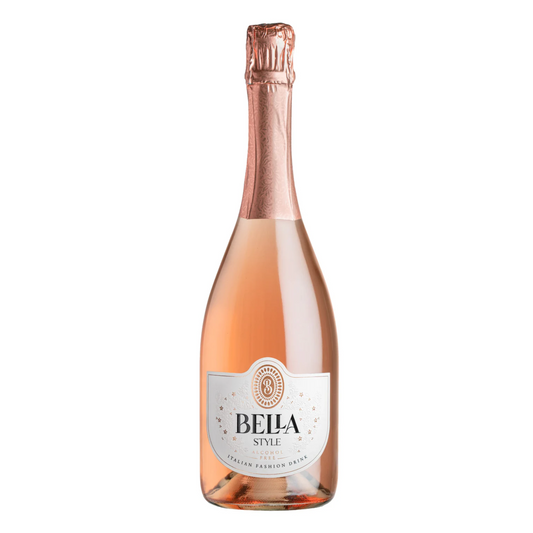
BELLA Style ZeroZero - non-alcoholic sparkling rosé wine
Vendor:BELLARegular price 4.943 FtRegular priceUnit price / perSale price 4.943 Ft -
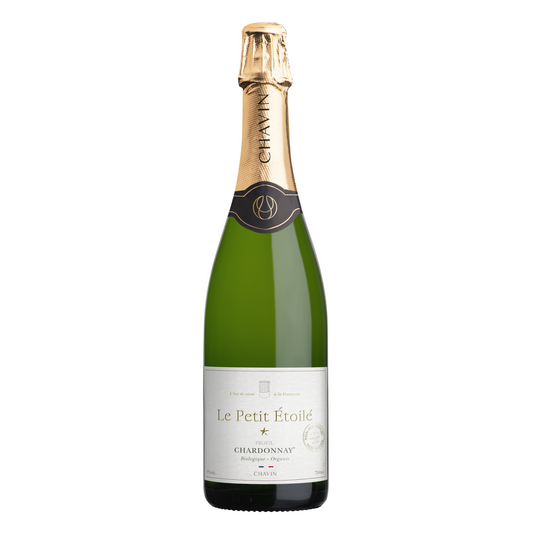
CHAVIN Le Petit Étoilé Sparkling - non-alcoholic sparkling wine
Vendor:CHAVINRegular price 5.356 FtRegular priceUnit price / perSale price 5.356 Ft -
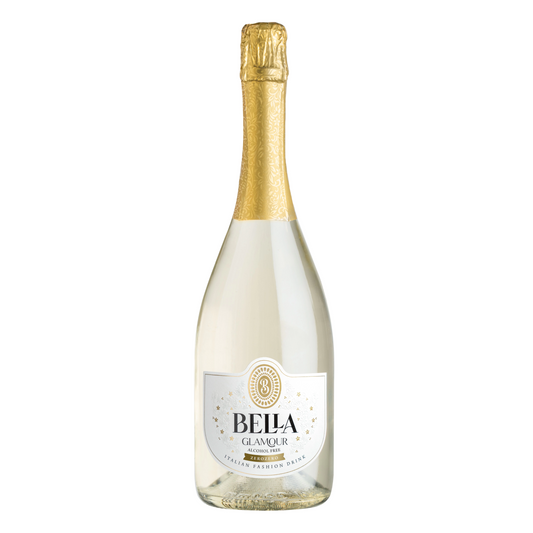
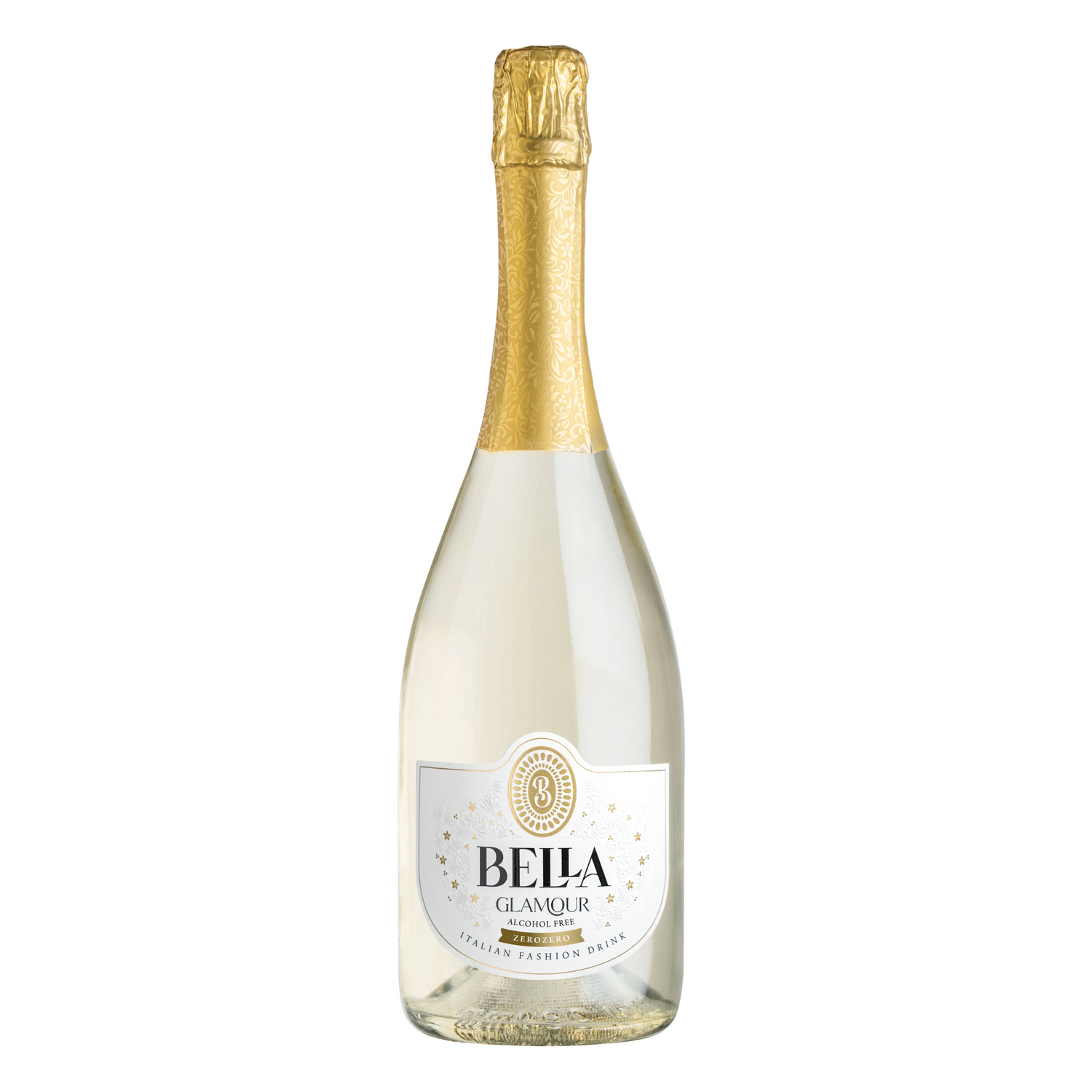
BELLA Glamour ZeroZero - non-alcoholic sparkling white wine
Vendor:BELLARegular price 4.943 FtRegular priceUnit price / perSale price 4.943 Ft -
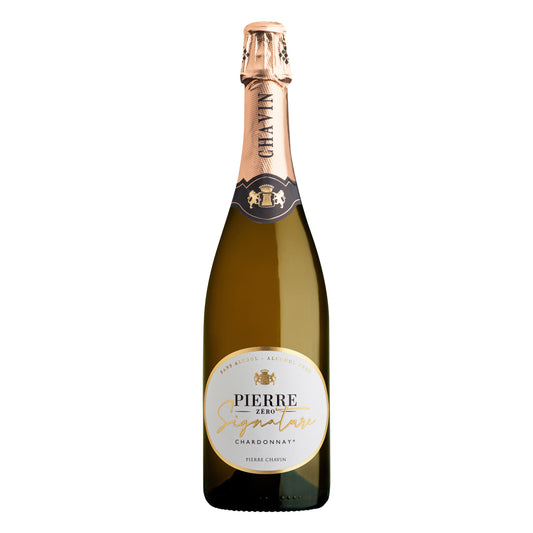
CHAVIN Pierre Zéro Signature Chardonnay Sparkling - non-alcoholic sparkling wine
Vendor:CHAVINRegular price 8.650 FtRegular priceUnit price / perSale price 8.650 Ft
Cikk ajánló
-
Tuck in! The autumn wellness experience with premium non-alcoholic drinks
Many of us look forward to shorter days and cooler evenings with a sense of melancholy. However, if we think about it more closely, autumn is not about loss, but about a wonderful opportunity: this season almost offers itself to turn inward and pay a little more attention to ourselves.
Tuck in! The autumn wellness experience with premium non-alcoholic drinks
Many of us look forward to shorter days and cooler evenings with a sense of melancholy. However, if we think about it more closely, autumn is not about loss, but about a wonderful opportunity: this season almost offers itself to turn inward and pay a little more attention to ourselves.
-
Dry November: Try the alcohol-free lifestyle
Dry November. What is the first thing that comes to mind when you hear this phrase? You are the one who says: I accept the challenge! Or the one who shakes his head and admits: For me, that would be too much of a sacrifice. Maybe the one who shrugs his shoulders in confusion while whispering: I've never even heard of him. Whichever group you belong to, dry November may have something new in store for you. What is Dry November and where does the challenge come from? Although we know it as Dry November in our country, the initiative originated in Great Britain and was originally known as Dry January. Today, millions of people join the challenge every year to stop drinking alcohol for a month and experience its beneficial effects. And what is the real purpose of the 30-day challenge? It's important to clarify at the outset: the basic message of Dry November is not to encourage everyone to commit to eternal and complete abstinence. It is more of a 30-day break, a kind of relationship "check-in", during which you can ask yourself: what role does alcohol play in my life? Why it's worth it? The tangible benefits of a dry November Many people may see a month without alcohol as a sacrifice, but in reality it is an investment in yourself. Dry November is not about what you lose, but what you gain. And these gains become tangible in just a few weeks, both for your body and your soul. Physical effects after one month The physical benefits of quitting alcohol are perhaps the most noticeable. While drinking is a pleasant part of social life, it is a constant burden on our bodies. However, a thirty-day break can be a real rebirth for it. The liver can regenerate Our liver is the body's tireless detoxification center, processing every sip of alcohol. If you give it a month to rest, cell renewal begins, fat accumulation decreases, and the liver can function optimally again. Sleep quality may improve While many people think alcohol helps them fall asleep, it actually disrupts their deep sleep cycles. Without alcohol, sleep becomes more restful, so you wake up in the morning not only hangover-free, but actually energized. This extra energy will last you all day, reducing afternoon slumps and coffee cravings. Skin quality may improve You can also check the results of your 30-day alcohol-free life in the mirror. Alcohol dehydrates and can cause inflammation in the body, which can also be seen on the skin in the form of puffiness or redness. During your alcohol-free month, your skin may become clearer, more hydrated, and brighter. Can help you lose weight In addition, cutting out the "empty calories" in drinks is also beneficial for weight control. Many people underestimate the calorie intake of an evening of wine or a weekend beer, so taking a break can also help you lose extra pounds. Mental recharge and clearer thoughts Beyond the physical benefits, a dry November can also bring a real breakthrough in mental health. The alcohol-free period can help clear your mind and bring a mental freshness you haven't experienced in a long time. Improved concentration One of the most common positive feedbacks is improved concentration and focus. Without the "brain fog" that comes with a hangover, work and everyday tasks will go more smoothly. You will feel sharper, more efficient, and more creative. Better mood Many people are familiar with the phenomenon of "hangxiety," where they feel unwarranted tension and grumpiness the day after drinking. Avoiding this is a huge gift in itself, resulting in a more balanced emotional state. More effective stress management This month is also a great opportunity to review your stress management mechanisms. If reaching for a drink in the evening was your automatic response to relieve the tension of the day, now you will be forced to find new, healthier ways to unwind. Whether it's a walk in nature, a good book, exercise, or a deep conversation - the challenge encourages you to more consciously seek out sources of recharge. The Gift of Awareness: Confronting Your Habits Perhaps the most valuable benefit of a dry November is not so much physical or mental renewal as increased awareness. These 30 days are a kind of experiment in which you can honestly face your drinking habits. You can realize in what situations you automatically reach for a drink: for reward, boredom, stress relief, or simply out of habit? During the alcohol-free month , the phenomenon of peer pressure also becomes sharply apparent. You can realize how deeply the culture of drinking together has become embedded in friendly gatherings and celebrations. At the same time, you can learn to handle these situations and realize that you don't actually need alcohol for a good conversation or a relaxed evening. This realization gives you enormous freedom and helps you develop a much more conscious, honest relationship not only with alcohol, but also with yourself and your environment. How to do it: A practical guide to dry November The idea of a 30-day challenge can be both inspiring and daunting. However, success depends more on a conscious strategy than on sheer willpower. If you arm yourself with the right tools and a good plan, dry November will not be a month of struggle, but an exciting, self-discovery journey. Preparation: the first steps to success Before you start, take some time to mentally and physically prepare yourself. The first and most important step is to clarify your personal motivation . Why are you doing this? Do you want to sleep better? Do you want to start your days with more energy, or are you simply curious about what life would be like without alcohol? Write your goal down on a piece of paper and put it in a visible place. It will be your compass in difficult moments. This can then be followed by "cleansing" your environment . This is not only necessary to reduce temptation, it is also a symbolic gesture that signals to yourself: from now on, something new begins. Last but not least, let your community know about your decision. Tell your family and friends that you're going to try Dry November. You don't need to apologize or give a long explanation, just say something like, "I'm going to try Dry November this year, and I'd really appreciate your support." Social life without alcohol Most people are most afraid of social situations. How do you say no to alcohol at a beer party or a family dinner without getting looked at strangely? The secret lies in confidence and preparation. Practice saying no firmly but politely. A simple “ Thank you, I don’t want it right now ” or “ I’m drinking non-alcoholic today ” will do the trick. You don’t owe anyone a detailed explanation. It helps to have a plan in advance. Before you go to a bar or restaurant, think about what you're going to order. Most places now offer non-alcoholic beers, wines, or even mocktails. Having a specific drink in mind can help you avoid awkward hesitation and "Just have one!" statements. Be proactive: organize activities that aren't centered around drinking . Invite your friends for a hike, a cookout, a movie, or a board game night. You'll be surprised how much time and energy you have when your activities aren't centered around alcohol. This month is a great opportunity to recognize **peer pressure** and learn that real relationships don't require mind-altering drugs. Find new routines to replace old ones Often it's not the alcohol itself that's missing, but the ritual associated with it. A glass of wine at the end of a hard day, a toast with friends on the weekend – these are all deeply embedded habits. The challenge is to consciously override these addictions and replace them with new, healthier routines. Notice when and in what situations you most want to reach for a drink. Are you stressed? Tired? Or are you just bored? If you were looking to unwind after work, find other ways to relieve stress. Go for a walk, listen to a podcast, take a hot bath, or brew a special, quality tea. The ritual itself—weighing out the tea leaves, boiling the water, savoring the flavors—can be just as soothing as a glass of wine. Explore new stress management techniques, whether it’s yoga, meditation, or reviving an old hobby. Dry November gives you the opportunity to learn how to take care of yourself without resorting to an external agent. And that knowledge will stay with you after the challenge. What do you drink when you don't drink? Alternatives to alcoholic beverages One of the biggest fears about a dry November is that social events or well-deserved evenings of relaxation will become boring, because one's choices are limited to mineral water and sugary soft drinks. Fortunately, the reality is much more exciting than that. The range of alternatives to alcoholic beverages is now so wide and high-quality that the challenge may not be about giving up, but about the joy of discovery. The revolution of drinks: wines, champagnes, spirits, aperitifs, mocktails Forget the old, watery-tasting non-alcoholic drinks. While non-alcoholic wine used to be synonymous with sweet grape juice, today quality is just as important here – the taste, aroma, and acidity, just like with alcoholic versions. A well-chilled non-alcoholic rosé, a sparkling champagne, or a non-alcoholic aperitif can be the perfect accompaniment to a friendly gathering or a festive dinner. And if you're looking for something really exciting, explore the world of non-alcoholic cocktails, or mocktails . These drinks aren't sweet syrups, but characterful, creative specialties. A virgin mojito with fresh mint and lime, a spicy spitz with herbal notes, or a non-alcoholic gin and tonic can be just as elegant and spectacular as their alcoholic counterparts. Dare to experiment! What happens after the dry November? On the last day of November, at the end of the challenge – before you get back to your usual routine – take some time to evaluate the past month, as you will learn a lot about yourself in these thirty days. In light of this, it is worth asking the following questions: What was it like to wake up in the morning? Did you wake up more rested? Have you noticed a change in your energy levels? Has your skin condition improved? Has your mood become more balanced? Were you able to think more clearly? Has your performance improved? Has the lack of "hangover anxiety" and fatigue given you more time on the weekends? Also think about social situations that you may have been afraid of. What was it like to attend a gathering of friends without alcohol? Did you manage to discover new, exciting drinks? Have you noticed that good conversations don't actually require an escort? These insights are worth their weight in gold because they are not just about one month, but lay the foundations for a new, more conscious future. What can you learn from dry November? The goal of Dry November for most people is not complete and permanent abstinence, but rather developing a healthier and more balanced relationship with alcohol. This approach puts you back in control. You make the decision, not peer pressure, stress, or routines. You may find that you want to live your everyday life without alcohol in the future, and save drinking for special occasions. Or you may discover that non-alcoholic beverages are just as enjoyable an alternative, and you will incorporate elements of a sober lifestyle into your daily routine. The point is to make individual, tailored decisions based on your thirty-day experience. The goal is for you to be in control, not your habits or external expectations. So, are you ready to toast to yourself and your well-being for a month? With a nice non-alcoholic drink ?
Dry November: Try the alcohol-free lifestyle
Dry November. What is the first thing that comes to mind when you hear this phrase? You are the one who says: I accept the challenge! Or the one who shakes his head and admits: For me, that would be too much of a sacrifice. Maybe the one who shrugs his shoulders in confusion while whispering: I've never even heard of him. Whichever group you belong to, dry November may have something new in store for you. What is Dry November and where does the challenge come from? Although we know it as Dry November in our country, the initiative originated in Great Britain and was originally known as Dry January. Today, millions of people join the challenge every year to stop drinking alcohol for a month and experience its beneficial effects. And what is the real purpose of the 30-day challenge? It's important to clarify at the outset: the basic message of Dry November is not to encourage everyone to commit to eternal and complete abstinence. It is more of a 30-day break, a kind of relationship "check-in", during which you can ask yourself: what role does alcohol play in my life? Why it's worth it? The tangible benefits of a dry November Many people may see a month without alcohol as a sacrifice, but in reality it is an investment in yourself. Dry November is not about what you lose, but what you gain. And these gains become tangible in just a few weeks, both for your body and your soul. Physical effects after one month The physical benefits of quitting alcohol are perhaps the most noticeable. While drinking is a pleasant part of social life, it is a constant burden on our bodies. However, a thirty-day break can be a real rebirth for it. The liver can regenerate Our liver is the body's tireless detoxification center, processing every sip of alcohol. If you give it a month to rest, cell renewal begins, fat accumulation decreases, and the liver can function optimally again. Sleep quality may improve While many people think alcohol helps them fall asleep, it actually disrupts their deep sleep cycles. Without alcohol, sleep becomes more restful, so you wake up in the morning not only hangover-free, but actually energized. This extra energy will last you all day, reducing afternoon slumps and coffee cravings. Skin quality may improve You can also check the results of your 30-day alcohol-free life in the mirror. Alcohol dehydrates and can cause inflammation in the body, which can also be seen on the skin in the form of puffiness or redness. During your alcohol-free month, your skin may become clearer, more hydrated, and brighter. Can help you lose weight In addition, cutting out the "empty calories" in drinks is also beneficial for weight control. Many people underestimate the calorie intake of an evening of wine or a weekend beer, so taking a break can also help you lose extra pounds. Mental recharge and clearer thoughts Beyond the physical benefits, a dry November can also bring a real breakthrough in mental health. The alcohol-free period can help clear your mind and bring a mental freshness you haven't experienced in a long time. Improved concentration One of the most common positive feedbacks is improved concentration and focus. Without the "brain fog" that comes with a hangover, work and everyday tasks will go more smoothly. You will feel sharper, more efficient, and more creative. Better mood Many people are familiar with the phenomenon of "hangxiety," where they feel unwarranted tension and grumpiness the day after drinking. Avoiding this is a huge gift in itself, resulting in a more balanced emotional state. More effective stress management This month is also a great opportunity to review your stress management mechanisms. If reaching for a drink in the evening was your automatic response to relieve the tension of the day, now you will be forced to find new, healthier ways to unwind. Whether it's a walk in nature, a good book, exercise, or a deep conversation - the challenge encourages you to more consciously seek out sources of recharge. The Gift of Awareness: Confronting Your Habits Perhaps the most valuable benefit of a dry November is not so much physical or mental renewal as increased awareness. These 30 days are a kind of experiment in which you can honestly face your drinking habits. You can realize in what situations you automatically reach for a drink: for reward, boredom, stress relief, or simply out of habit? During the alcohol-free month , the phenomenon of peer pressure also becomes sharply apparent. You can realize how deeply the culture of drinking together has become embedded in friendly gatherings and celebrations. At the same time, you can learn to handle these situations and realize that you don't actually need alcohol for a good conversation or a relaxed evening. This realization gives you enormous freedom and helps you develop a much more conscious, honest relationship not only with alcohol, but also with yourself and your environment. How to do it: A practical guide to dry November The idea of a 30-day challenge can be both inspiring and daunting. However, success depends more on a conscious strategy than on sheer willpower. If you arm yourself with the right tools and a good plan, dry November will not be a month of struggle, but an exciting, self-discovery journey. Preparation: the first steps to success Before you start, take some time to mentally and physically prepare yourself. The first and most important step is to clarify your personal motivation . Why are you doing this? Do you want to sleep better? Do you want to start your days with more energy, or are you simply curious about what life would be like without alcohol? Write your goal down on a piece of paper and put it in a visible place. It will be your compass in difficult moments. This can then be followed by "cleansing" your environment . This is not only necessary to reduce temptation, it is also a symbolic gesture that signals to yourself: from now on, something new begins. Last but not least, let your community know about your decision. Tell your family and friends that you're going to try Dry November. You don't need to apologize or give a long explanation, just say something like, "I'm going to try Dry November this year, and I'd really appreciate your support." Social life without alcohol Most people are most afraid of social situations. How do you say no to alcohol at a beer party or a family dinner without getting looked at strangely? The secret lies in confidence and preparation. Practice saying no firmly but politely. A simple “ Thank you, I don’t want it right now ” or “ I’m drinking non-alcoholic today ” will do the trick. You don’t owe anyone a detailed explanation. It helps to have a plan in advance. Before you go to a bar or restaurant, think about what you're going to order. Most places now offer non-alcoholic beers, wines, or even mocktails. Having a specific drink in mind can help you avoid awkward hesitation and "Just have one!" statements. Be proactive: organize activities that aren't centered around drinking . Invite your friends for a hike, a cookout, a movie, or a board game night. You'll be surprised how much time and energy you have when your activities aren't centered around alcohol. This month is a great opportunity to recognize **peer pressure** and learn that real relationships don't require mind-altering drugs. Find new routines to replace old ones Often it's not the alcohol itself that's missing, but the ritual associated with it. A glass of wine at the end of a hard day, a toast with friends on the weekend – these are all deeply embedded habits. The challenge is to consciously override these addictions and replace them with new, healthier routines. Notice when and in what situations you most want to reach for a drink. Are you stressed? Tired? Or are you just bored? If you were looking to unwind after work, find other ways to relieve stress. Go for a walk, listen to a podcast, take a hot bath, or brew a special, quality tea. The ritual itself—weighing out the tea leaves, boiling the water, savoring the flavors—can be just as soothing as a glass of wine. Explore new stress management techniques, whether it’s yoga, meditation, or reviving an old hobby. Dry November gives you the opportunity to learn how to take care of yourself without resorting to an external agent. And that knowledge will stay with you after the challenge. What do you drink when you don't drink? Alternatives to alcoholic beverages One of the biggest fears about a dry November is that social events or well-deserved evenings of relaxation will become boring, because one's choices are limited to mineral water and sugary soft drinks. Fortunately, the reality is much more exciting than that. The range of alternatives to alcoholic beverages is now so wide and high-quality that the challenge may not be about giving up, but about the joy of discovery. The revolution of drinks: wines, champagnes, spirits, aperitifs, mocktails Forget the old, watery-tasting non-alcoholic drinks. While non-alcoholic wine used to be synonymous with sweet grape juice, today quality is just as important here – the taste, aroma, and acidity, just like with alcoholic versions. A well-chilled non-alcoholic rosé, a sparkling champagne, or a non-alcoholic aperitif can be the perfect accompaniment to a friendly gathering or a festive dinner. And if you're looking for something really exciting, explore the world of non-alcoholic cocktails, or mocktails . These drinks aren't sweet syrups, but characterful, creative specialties. A virgin mojito with fresh mint and lime, a spicy spitz with herbal notes, or a non-alcoholic gin and tonic can be just as elegant and spectacular as their alcoholic counterparts. Dare to experiment! What happens after the dry November? On the last day of November, at the end of the challenge – before you get back to your usual routine – take some time to evaluate the past month, as you will learn a lot about yourself in these thirty days. In light of this, it is worth asking the following questions: What was it like to wake up in the morning? Did you wake up more rested? Have you noticed a change in your energy levels? Has your skin condition improved? Has your mood become more balanced? Were you able to think more clearly? Has your performance improved? Has the lack of "hangover anxiety" and fatigue given you more time on the weekends? Also think about social situations that you may have been afraid of. What was it like to attend a gathering of friends without alcohol? Did you manage to discover new, exciting drinks? Have you noticed that good conversations don't actually require an escort? These insights are worth their weight in gold because they are not just about one month, but lay the foundations for a new, more conscious future. What can you learn from dry November? The goal of Dry November for most people is not complete and permanent abstinence, but rather developing a healthier and more balanced relationship with alcohol. This approach puts you back in control. You make the decision, not peer pressure, stress, or routines. You may find that you want to live your everyday life without alcohol in the future, and save drinking for special occasions. Or you may discover that non-alcoholic beverages are just as enjoyable an alternative, and you will incorporate elements of a sober lifestyle into your daily routine. The point is to make individual, tailored decisions based on your thirty-day experience. The goal is for you to be in control, not your habits or external expectations. So, are you ready to toast to yourself and your well-being for a month? With a nice non-alcoholic drink ?
-
Non-alcoholic Halloween cocktails that will impress everyone
Witchy cocktails for Halloween night - alcohol-free! This year, make magical drinks that will not only look fantastic at a Halloween party, but also make you feel like you're not afraid of them the next day. 6 flavors, 6 moods, 6 creative servings - with 6 unforgettable cocktails.
Non-alcoholic Halloween cocktails that will impress everyone
Witchy cocktails for Halloween night - alcohol-free! This year, make magical drinks that will not only look fantastic at a Halloween party, but also make you feel like you're not afraid of them the next day. 6 flavors, 6 moods, 6 creative servings - with 6 unforgettable cocktails.